Do Horse Joint Supplements Work for Performance and Aging Horses
Learn how horse joint supplements support mobility in performance and aging horses, and what equine brands should evaluate before sourcing.
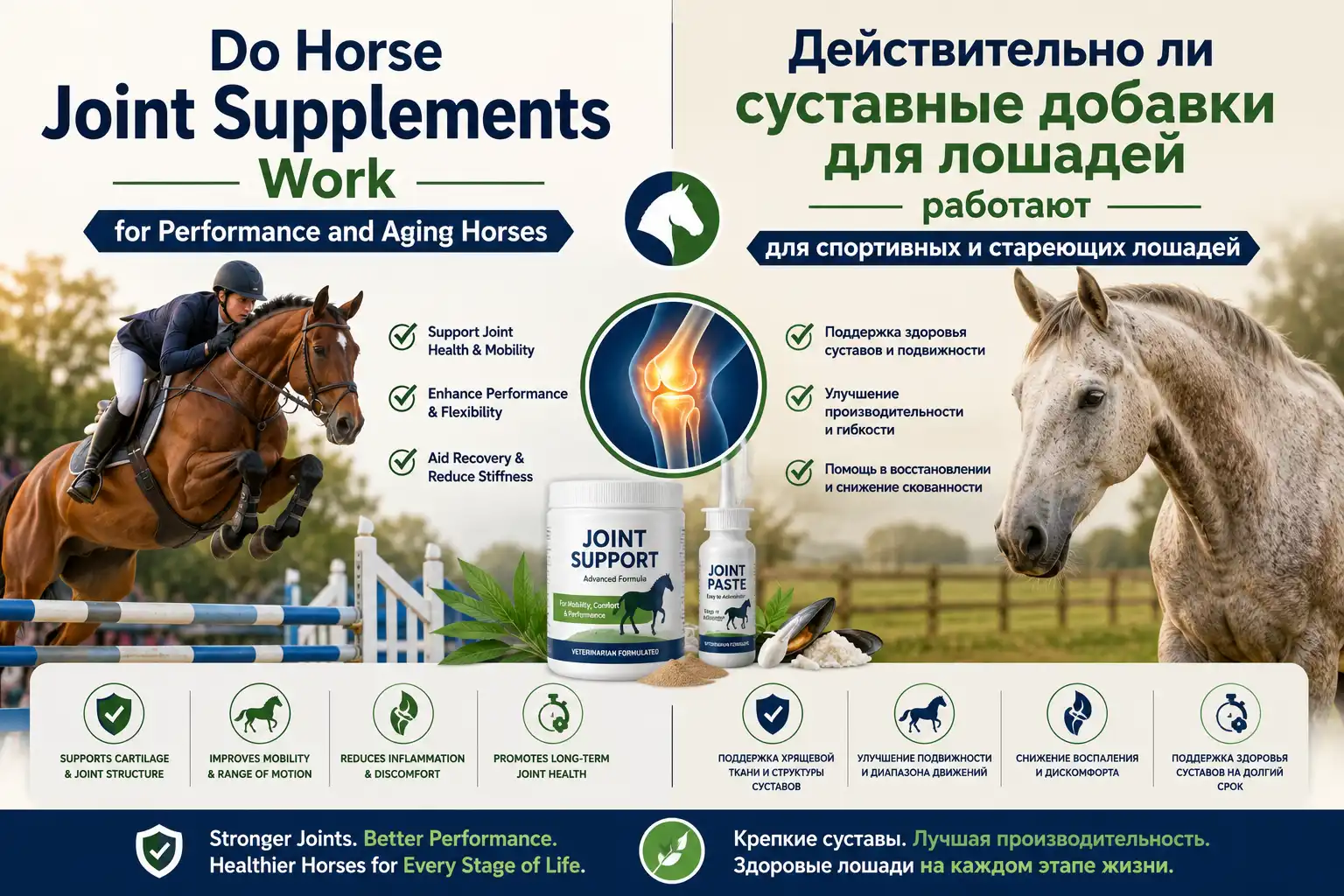
What Joint Supplements Can Realistically Support
Horse joint supplements are among the most searched and purchased equine wellness products because mobility is easy for owners to observe. Performance horses face regular workload, training stress, travel, and competition routines. Aging horses may need more daily support for normal movement and comfort in routine activity. Supplements should be positioned as mobility support, not as medical treatment.
Performance Horses Need Consistency
The realistic role of a joint supplement is to help support normal joint function, cartilage structure, flexibility, and recovery from everyday workload. The outcome depends on formula design, ingredient quality, daily feeding consistency, and the horse’s broader care program. Farrier work, training management, body condition, and veterinary guidance all remain important.
Aging Horses Need Practical Daily Mobility Support
Performance horses require products that fit into disciplined routines. Owners and trainers often value clear serving instructions, low mess, stable packaging, and palatable formulas that do not disrupt feed intake. A joint supplement that is difficult to feed may not survive in a professional barn environment, regardless of how strong the ingredient story looks on paper.
Common Joint Support Ingredients
Aging horses may benefit commercially from formulas that combine mobility support with digestive or antioxidant nutrients. However, the product should remain focused. Too many actives can make cost, taste, and serving size difficult. Private label buyers should decide whether they want a dedicated joint formula or a broader senior horse wellness product.
Sourcing Questions for Equine Brands
Common joint support ingredients include glucosamine, chondroitin sulfate, MSM, collagen peptides, hyaluronic acid, omega-3 sources, vitamin C, manganese, and selected botanicals. The important questions are source quality, inclusion level, compatibility, and stability. For paste products, buyers should also ask whether the actives remain evenly suspended throughout shelf life.
Final Thoughts for Equine Supplement Buyers
Supplier evaluation should include raw material documentation, batch consistency, testing capability, sample lead time, MOQ, packaging options, and label claim review. If the product is intended for sport horses, brands may also need to consider prohibited substance controls and market-specific compliance expectations.
Do horse joint supplements work? They can support mobility programs when they are formulated responsibly and used consistently. For equine brands, the opportunity is to create products that combine credible ingredient logic with daily feeding practicality.
Ready to start your private label pet supplement project? Contact WanZiBei Biotechnology to discuss your manufacturing requirements with our expert team.
Tags
Ready to manufacture your pet supplement?
Discuss your project with our expert team today.
Get a Quote